Just How Artificial Roofs Lower Maintenance After Midwest Winter Storms
Anyone who owns a home in the Midwest learns rapidly that wintertime does not test a roofing as soon as. It examines it over and over. Snow loads build, daytime thaw loosens up water right into seams, nighttime temperature levels lock it back right into ice, and wind maintains looking for an edge to lift. By late February, even a durable roof can show the wear. Missing roof shingles, broken tabs, loosened up blinking, blocked valleys, stained ceilings, and the slow drip that just appears when the attic room warms up, these know calls for professional roofer throughout Illinois and the higher Chicagoland area.
That is one reason much more homeowners have begun asking about artificial roofings. Not since they are stylish, and not since every home needs one, however due to the fact that they resolve numerous recurring upkeep problems that traditional materials face after rough winter months climate. When picked carefully and set up well, synthetic roofing systems can reduce damage, shed water better, withstand influence, and hold their appearance with less intervention year after year.
For house owners in position like Chicago, Naperville, and the bordering suburban areas, the question is generally practical: will this roofing mean less fixings after a hard winter months? In a lot of cases, the solution is yes. The information matter, though, specifically the product kind, the profile, the attic room conditions, and the ability of the staff managing the synthetic roof covering installation.
Midwest wintertime damage is seldom caused by one event
The roofing systems that fall short after a storm are not constantly the roofing systems that took the deepest snow. More often, they are the roofings that were already vulnerable in a few little methods. A breakable roof shingles near the eave. A weak valley information. Blinking that served in October yet no more sealed firmly after weeks of expansion and contraction.
In the Midwest, winter roof damages generally comes from a domino effect. Snow accumulate. Your home loses warmth erratically. Snow melts in cozy places and runs downward till it reaches a chilly eave, where it ices up and develops ice. More water backs up behind it. Wind-driven snow infiltrates joints. After that the following freeze locks whatever in position. If roofing material is prone to fracturing, crinkling, or soaking up moisture, maintenance calls tend to follow.
Traditional asphalt shingles can execute well, especially higher-grade versions, however in serious freeze-thaw environments they commonly reveal their age via granule loss, tab damages, and weakened seal strips. All-natural slate and cedar have their own strengths, yet each features maintenance realities. Slate is lovely and durable but hefty, breakable under impact, and costly to fix. Cedar has warmth and character, though wetness monitoring is essential and upkeep is ongoing.
This is where building artificial roofing has gained grip. It intends to supply the appearance of slate, shake, or tile while reducing some of the upkeep burdens those materials can create after repeated winter season stress.
Why artificial products handle freeze-thaw cycles differently
A reliable artificial roofing product is engineered to be lighter, much more adaptable, and a lot more impact resistant than numerous standard options. That adaptability issues in cold weather. When temperatures turn from the teenagers to the mid-thirties and back again, the roof covering surface area expands and agreements. Materials that end up being fragile under those problems can split. Materials with a little provide are much less likely to fracture at nail factors, edges, or tension lines.
That does not indicate every synthetic product is equal. Premium synthetic roof differs commonly by producer, solution, and service warranty assistance. Some items are built polymers, some are rubber blends, and others are advanced composite products. The very best among them are created to stand up to UV exposure, moisture absorption, and thermal motion without shedding shape or structural integrity.
From an upkeep viewpoint, the benefit is simple. When the roofing system material itself is less most likely to split, chip, or loosen up in winter months, there are less chances for water intrusion after storms. In sensible terms, that can imply fewer spring repair work sees, fewer emergency situation patches, and less cash spent chasing isolated leak points.
I have seen this play out a lot of plainly on high roofs with difficult geometry. A basic ranch roof is one thing. A big customized home with dormers, hips, valleys, rock chimneys, and long eaves is another. On those homes, every roof information ends up being a lot more exposed to snow drift, ice buildup, and wind pressure. Artificial roof for deluxe homes has actually become specifically prominent because of that. Owners desire the look of cedar shake or slate, however they do not want the yearly worry that features delicate materials and difficult winter season repairs.
Ice dams expose weaknesses fast
No wintertime roofing system conversation in the Midwest is total without speaking about ice dams. Homeowners often tend to blame the roofing system covering itself, but the genuine picture is extra challenging. Ice dams create when warmth loss from the home thaws snow over, then refreezes at the chillier edge of the roof. Air flow, insulation, air securing, underlayment choice, and roofing system design all play a role.
Still, the outer roof product issues. Some surface areas hold snow in a different way. Some profiles develop more friction. Some items absorb even more moisture or weaken faster when water rests against them continuously. Synthetic roof covering tiles and artificial slate accounts typically provide a cleaner, more regular surface area that loses water well and does not degrade as rapidly from periodic cold. When coupled with correct ice-and-water security at vulnerable areas, they can decrease the quantity of maintenance connected to dam-related infiltration.
That does not make a synthetic roof unsusceptible to ice dams. No liable synthetic professional roofer must assure that. If the attic room is leaking heat severely enough, ice will still create. Yet when ice does support, the roofing setting up has a far better possibility of holding the line if the product is steady, the underlayment is suitable, and the flashing information were implemented correctly.
A home owner in Naperville once described the distinction after replacing an aging cedar-look roofing with an artificial option. Prior to the replacement, every heavy snow seemed to produce the very same routine: rake the lower edge, look for discoloring around a second-floor room, and ask for place fixings in spring. After the brand-new setup, together with attic air securing and upgraded underlayment, the winter months routine altered. Snow still fell, temperatures still swung, however the repeated leakage problem quit. That outcome was not simply the material, but the product played an actual duty in producing a more flexible roof covering system.
Impact resistance matters more than numerous house owners realize
Midwest wintertimes are not just regarding snow and ice. They also bring tree arm or leg strikes, hail put inside cold spells, and wind-driven debris. Roofs that make it through wintertime with less fixings typically have one thing in common: they tolerate influence without instant visible damage.
This is among the toughest disagreements for domestic synthetic roofing. Lots of artificial products are ranked for influence resistance at degrees that outshine more brittle choices. Theoretically, that seems technological. In the area, it implies a branch that might crack an all-natural slate floor tile or bruise an older roof shingles may leave far much less damage on a high-quality synthetic panel or shingle.
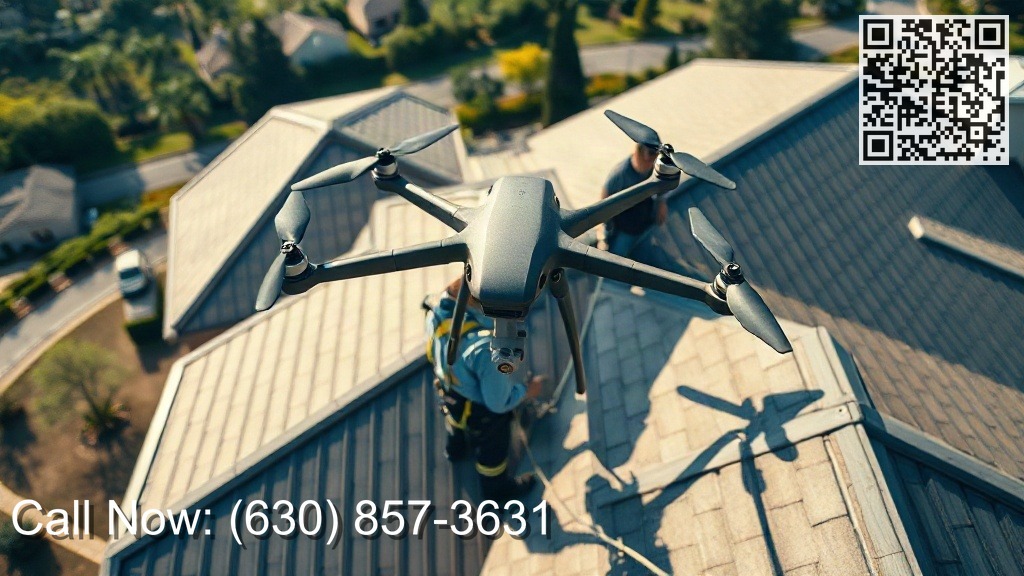
The upkeep advantage is not just fewer apparent breaks. It is also less surprise ones. Some tornado damages is refined. A small fracture or slit might not leakage right now, but after even more freeze-thaw cycles it becomes a trouble. If the roofing product can soak up that hit and stay intact, the property owner avoids the postponed repair service that usually surface areas months later.
For homes under mature trees, this matters a large amount. In neighborhoods across synthetic roof Chicago solution areas, older lots are lined with oaks, maples, and elms. They include worth and charm, however wintertime storms transform them right into roof covering hazards. A roofing product that can shake off the smaller sized effects commonly saves the owner from duplicated maintenance calls.
Less weight, less architectural concerns
Weight is not the first thing homeowners think about after a winter months storm, yet it ought to be part of the conversation, especially during a synthetic roof replacement. Natural slate and clay ceramic tile are substantial materials. They can last a long time, yet their weight areas real needs on the roof structure. In an area where roofing systems currently lug snow loads, a lighter roof covering product supplies sensible advantages.
Synthetic roofings imitate the visual depth of larger products while positioning much less stress on rafters and outdoor decking. That does not eliminate the need for architectural review, yet it streamlines many projects and can make future maintenance a lot more manageable. Staffs can function more safely and efficiently on a lighter system, and fixings, if they are ever needed, often tend to entail less customized handling than fragile stone or tile.
That ends up being specifically pertinent on older homes in the Midwest, where framework might be solid but not designed for the dead load of costs natural materials. A synthetic roof covering firm that understands regional housing stock can examine whether a home is a good candidate for slate-look or shake-look synthetics without forcing unnecessary architectural modifications.
The installment high quality still chooses a lot
A poor installment can mess up a good item. That is true for every single roof material, https://troyujlz895.timeforchangecounselling.com/why-hire-an-artificial-professional-roofer-chicagoland-homeowners-count-on however it is specifically important with artificial systems due to the fact that house owners commonly anticipate a near-premium outcome and reduced maintenance from the first day. If the fastening pattern is wrong, if the starter courses are weak, if the valleys are reduced carelessly, or if the flashings are reused when they should have been changed, winter months will certainly reveal those shortcuts quickly.
The difference between a roof that drifts with February and one that requires March fixings frequently boils down to little details that never ever appear in advertising and marketing images. This is why picking skilled synthetic roof covering installers matters as long as picking the product itself. A reliable artificial roofing contractor Chicagoland property owners can rely on need to comprehend local snow patterns, ice dam areas, local code demands, attic ventilation, and manufacturer-specific installment standards.
When I consider roofings that stay trouble-free after severe winter seasons, I usually see the very same points: mindful flashing changes, solid edge outlining, thoughtful snow and water management, and a team that appreciated format and direct exposure lines. Artificial roof setup is easy in the abstract, yet it does award self-control. A roof covering can look gorgeous from the street and still be prone if the system beneath was rushed.
Where maintenance savings in fact reveal up
Homeowners frequently ask whether synthetic roof coverings remove maintenance. They do not. No roofing system is maintenance-free, especially in a Midwest climate. Seamless gutters still require cleaning. Flashings still are entitled to assessment. Branches still require trimming. Sealers around penetrations still age. What changes is the regularity and extent of material-related repairs.
The savings tend to appear in a few details ways:
- fewer fractured or broken area items after freeze-thaw cycles
- less replacement job after minor limb strikes or hail storm events
- fewer reoccuring leak examinations tied to breakable, aging roof surfaces
- less cosmetic deterioration on high-visibility roofing system planes
- longer intervals before a significant synthetic roofing system replacement ends up being necessary
That is not a guarantee of lower cost in yearly. The upfront investment for premium synthetic roof covering is generally more than basic asphalt. For some homes, specifically simple rooflines on small budget plans, architectural shingles remain the right solution. But on larger homes, steep inclines, personalized styles, or residential properties where owners want the look of slate or cedar without the same upkeep profile, the lifecycle equation usually prefers artificial materials.
Aesthetic durability is part of maintenance, too
Homeowners typically consider upkeep as leaks and repairs. Appearance belongs in the conversation as well. Wintertime is difficult on the look of a roof covering. Repetitive wetness exposure, ice scratching, blown debris, and sunlight glare reflecting off snow can age lower-grade materials promptly. Discoloring, streaking, broken corners, and uneven wear make a roofing look tired long before it falls short structurally.
Premium artificial roofing products are usually selected since they hold their profile and color well. That matters on noticeable front elevations, however it matters even more on homes with complex roof style where uneven wear attracts attention. A roof that maintains its form and surface through multiple winters months requires fewer spot repairs for appearance alone.
This is a big factor artificial roofing for high-end homes has located such a solid specific niche. On premium property jobs, owners care about long-term aesthetic consistency. They want the roofing to age with dignity, not begin looking mismatched after the very first repair service cycle. Because lots of artificial lines are designed with blended color scheme and molded structure, substitute pieces can incorporate more naturally than fixings on weathered timber shake or brittle stone.
Not every home requires the same artificial roofing system system
One mistake I see is dealing with all synthetic roofings as compatible. They are not. The appropriate system relies on the home, the neighborhood, the direct exposure, and the proprietor's priorities.
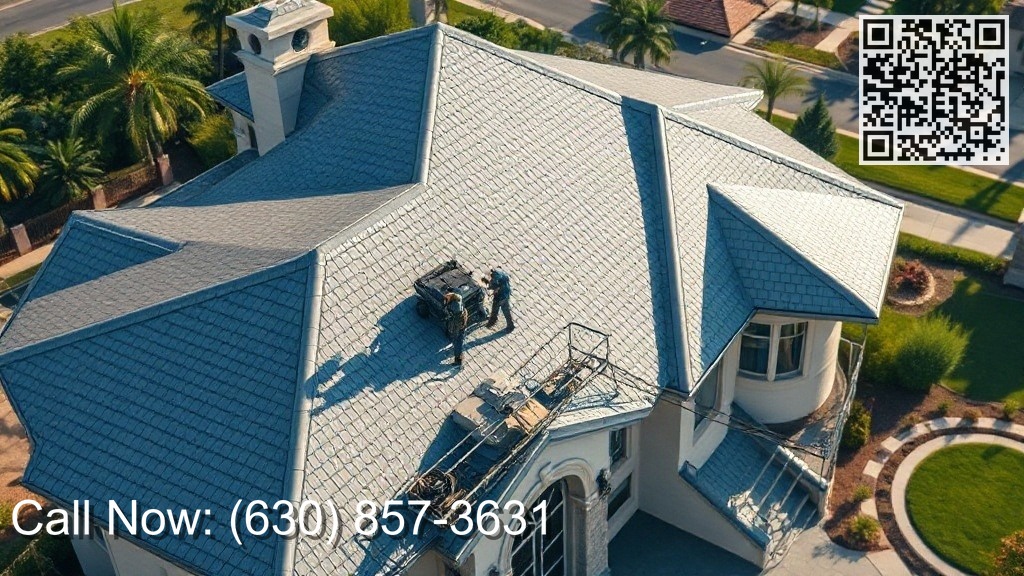
A high Tudor in a gusty corridor outside Chicago may take advantage of a slate-profile artificial with robust attachment and high wind resistance. A large transitional home in Naperville might call for a shake-look product that complements masonry and wide roofing airplanes. A historic-style home may require a much more refined account with shadow lines that resemble hand-split cedar or quarried slate. A lake-influenced microclimate may put additional focus on dampness shedding and bolt durability.
That is where a skilled synthetic roof covering firm adds value. The work is not simply marketing a classification. It is matching the product to your house. Great service providers ask the ideal questions: Just how much tree cover exists? Are ice dams a background on this home? What does the attic room ventilation look like? Exist previous leak areas around chimneys or skylights? Is the house owner preparation to remain enough time to gain from the lifecycle value?
For those checking into artificial roof covering Naperville IL or more comprehensive synthetic roof Chicago alternatives, regional climate understanding is not a small detail. It is central to the recommendation.
What property owners ought to ask prior to relocating forward
The ideal artificial roofing tasks begin with a realistic conversation, not a sales pitch. Homeowners ought to comprehend both the benefits and the restrictions of the product, in addition to what else requires to take place to lower winter months maintenance.
A useful discussion with a synthetic professional roofer need to cover these points:
- whether the roofing deck, air flow, and insulation need modification prior to installation
- what influence and wind rankings the details product carries
- how valleys, flashings, ridge information, and eaves will certainly be handled
- what upkeep is still advised after major winter storms
- how the service warranty applies to products versus workmanship
Those concerns reveal a lot concerning the contractor. Clear, particular solutions usually signal field experience. Obscure pledges about a roof covering that will certainly never need focus typically signify the opposite.
The sensible trade-off: greater in advance expense, reduced disturbance later
The main reluctance with artificial roofing systems is price. That doubt is reasonable. Artificial products typically rest above common asphalt in price, and some costs lines come close to the mounted price of other high-end roof groups. House owners need to not be pressed past their spending plan in search of a material they do not actually need.
At the very same time, cost needs to be evaluated against disruption. Repeated winter fixings bring their very own cost, not just in invoices however in scheduling, interior danger, and house owner stress and anxiety. A leakage that appears throughout a deep freeze hardly ever obtains an excellent fix right away. It obtains a stablizing browse through, after that a follow-up, then perhaps indoor fixings after thaw. Preventing that cycle has value.
For lots of households, especially those with demanding timetables or second-story roof intricacy, the most effective maintenance strategy is minimizing the variety of winter-related roofing system events to begin with. That is where synthetic roof coverings earn their maintain. They do not stop wintertime from being winter. They simply give the home an extra resistant covering versus the kind of repetitive penalty Midwest climate delivers.
Why this selection keeps making headway in the Midwest
The boosted interest in artificial roofing replacement throughout Illinois is not difficult to comprehend. House owners want toughness, lower maintenance, building personality, and a product that stands up to genuine climate rather than showroom problems. Builders and remodelers want products that mount cleanly and carry out constantly. Service providers desire systems that decrease callbacks. Synthetic roofing sits at that intersection.
When specified effectively, building synthetic roofing can offer the appearance of premium products with an extra flexible upkeep profile after heavy snow, ice, hail storm, and freeze-thaw biking. That is a meaningful advantage in this area. It does not replace excellent insulation, great ventilation, or excellent workmanship. It does support all three.
After sufficient Midwest winters, many home owners end up being less interested in roof theory and even more curious about sensible outcomes. Does the roof covering hold up? Does it prevent reoccuring difficulty places? Does it keep the house completely dry without constant intervention? On several homes, particularly those with complex rooflines or a background of winter months damages, the response is increasingly located in high-grade artificial roofs installed by service providers who recognize the environment they are constructing for.
When Quality Matters
Salvo Architectural Roofing Contractors
566 West 5th Ave Naperville, IL 60563
(630) 857-3631
[email protected]
 Ask ChatGPT
 Ask Grok
 Ask Perplexity
 Ask Claude
 Ask Google AI
 Ask You
Corrections
Spot something wrong? Send it to the desk and it gets fixed in the open.